Technology & Methodologies

A practical deep dive into the technical frameworks and methods we use to build robust, explainable causal AI for healthcare.

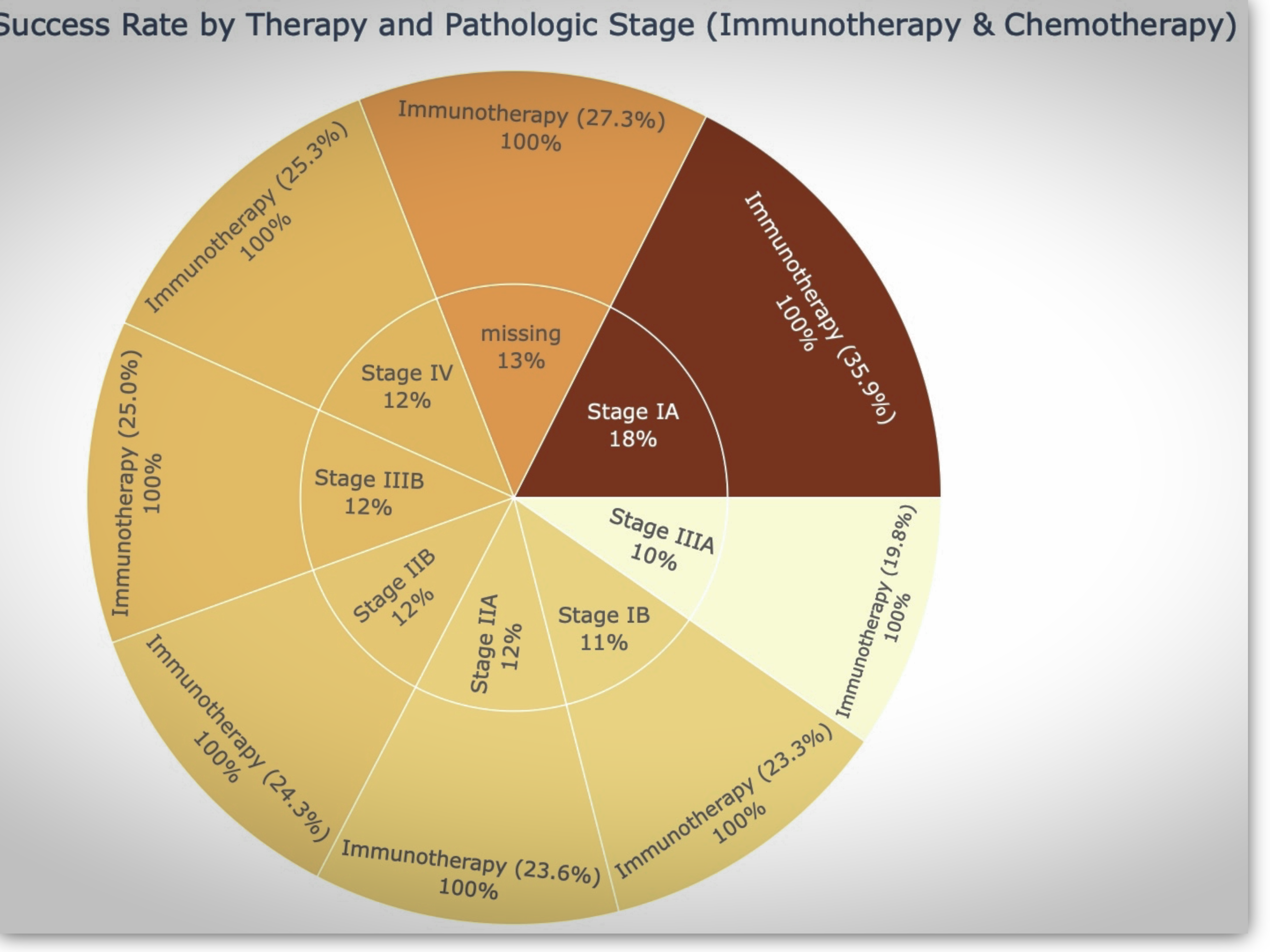
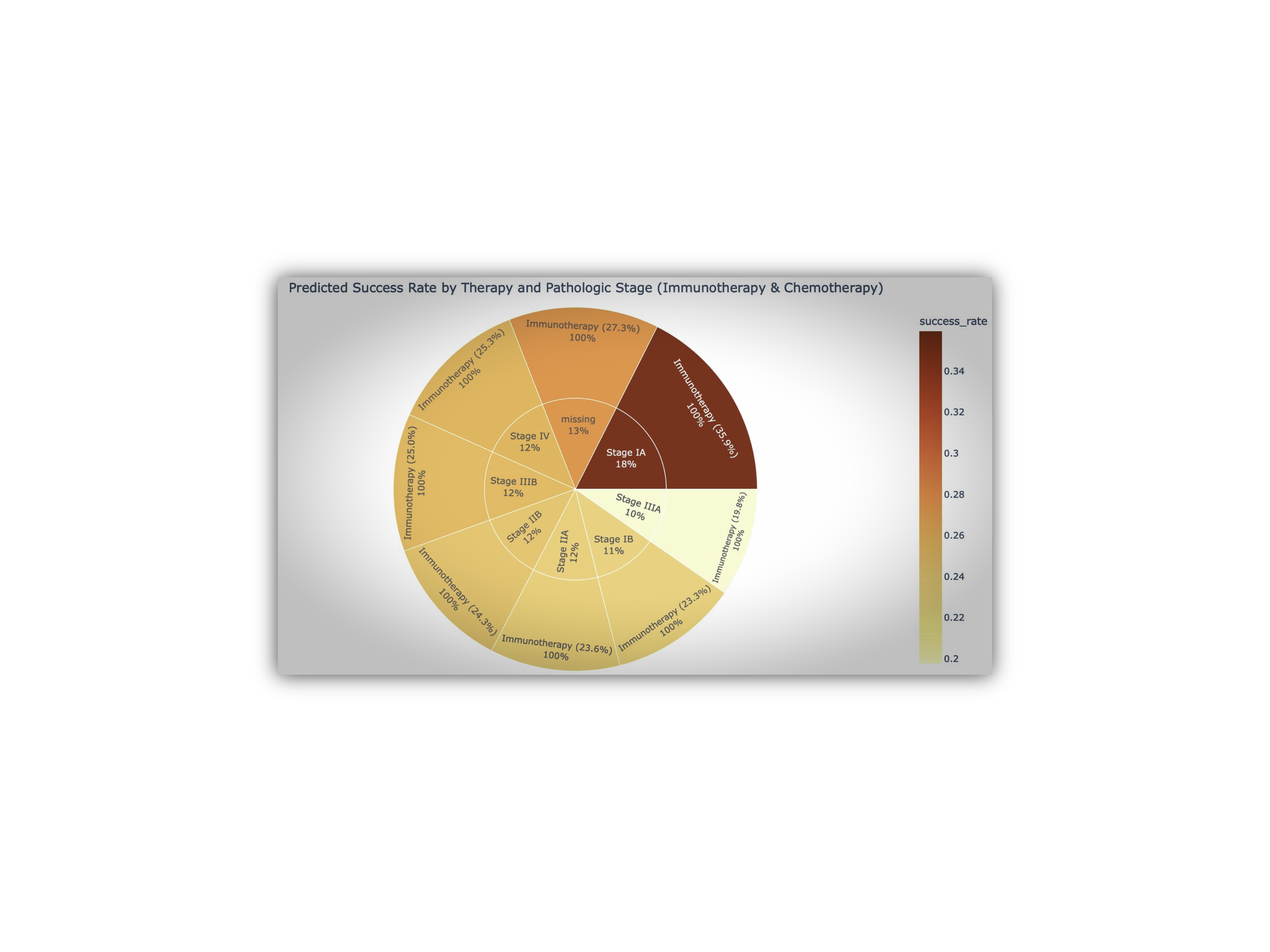
Enhanced DragonNet Clinical Report

AI-powered precision oncology treatment recommendations.

AI Enabled Oncology Precision Medicine Clinical Decision Support System

A comprehensive Clinical Decision Support System (CDSS) that integrates artificial intelligence with multimodal oncology data to deliver evidence-based, personalized treatment recommendations at the point of care. The platform pulls information from the genetic, demographics, clinical, treatment and laboratory results through advanced machine learning algorithms to support clinical decision-making.
Causal Inference Framework

  •  Potential Outcomes Framework: Counterfactual reasoning and treatment effect estimation
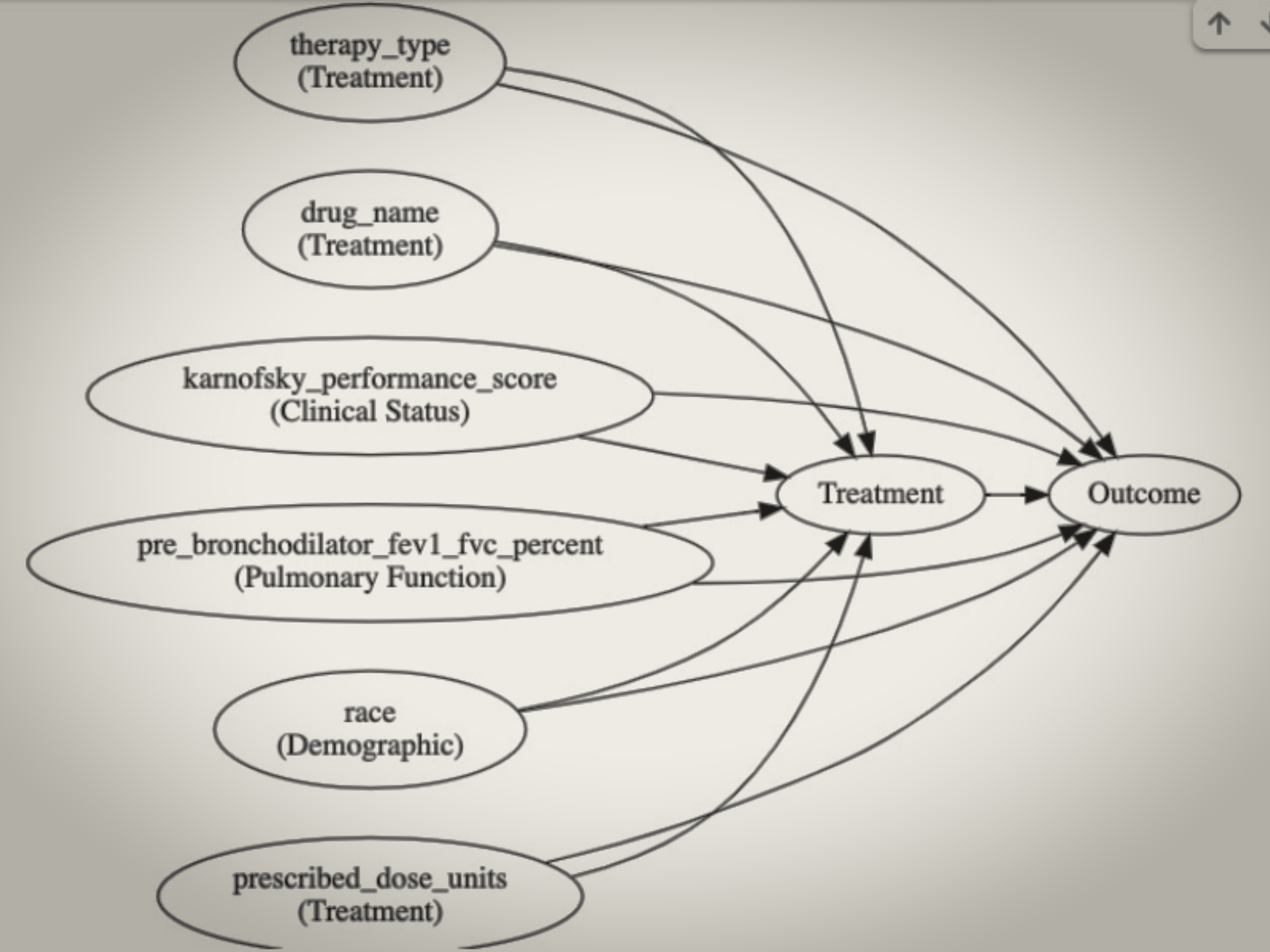
  •  Directed Acyclic Graphs (DAGs): Causal structure identification and confounder selection

Hybrid causal AI architecture

Propensity Score Methods

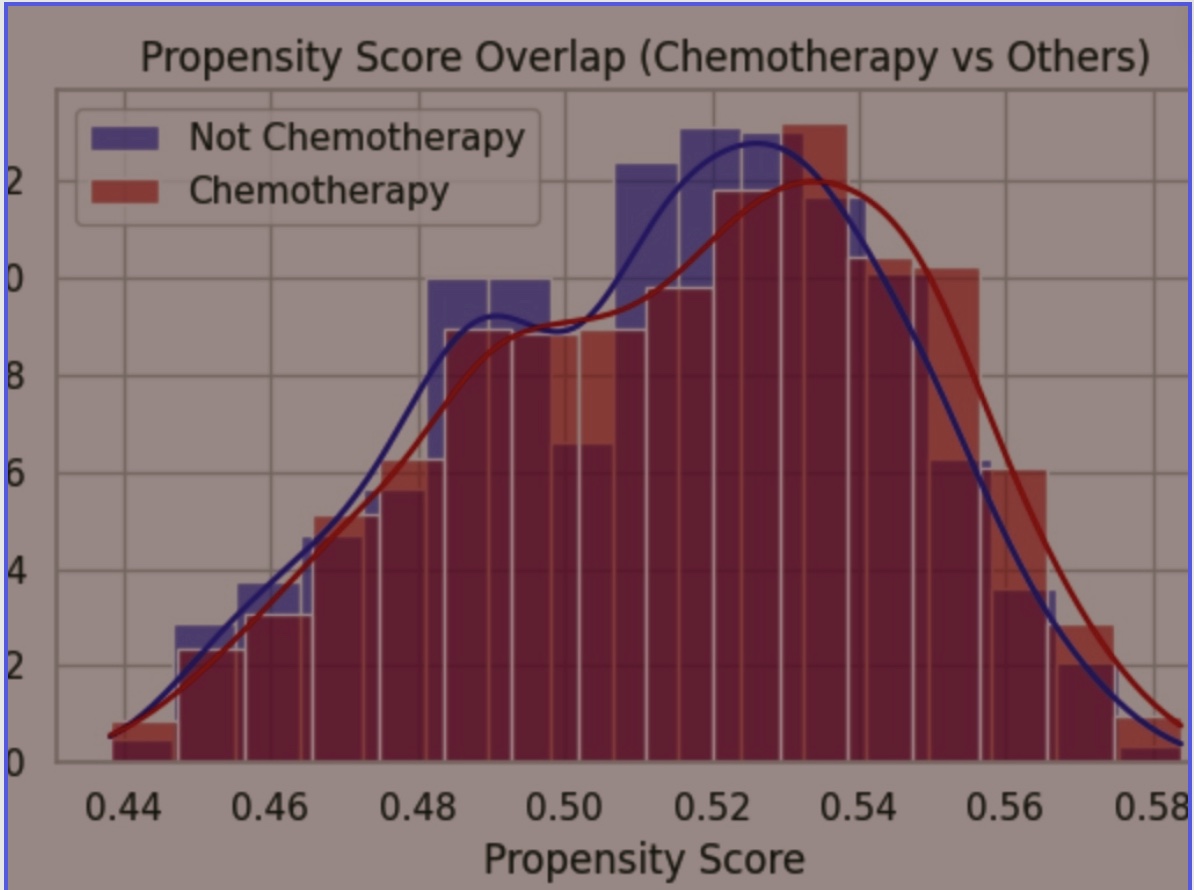
  •  Propensity Score Methods: Matching, stratification, and inverse probability weighting
  • Instrumental Variables: Two-stage least squares and weak instrument diagnostics
  • Doubly Robust Methods: Combining outcome modeling with propensity score approaches
  • Mediation Analysis: Direct and indirect effect decomposition

Hybrid causal AI architecture

Hybrid Causal-AI Methods

  • Causal Deep Learning: Neural networks with causal structure constraints
  •  Representation Learning for Confounders: Deep learning approaches to confounder identification
  •  Causal Discovery with AI: Machine learning methods for causal structure learning
  •  Treatment Effect Heterogeneity: AI-powered personalized treatment effect estimation
  • Causal Reinforcement Learning: Decision-making under causal constraints

Hybrid causal AI architecture

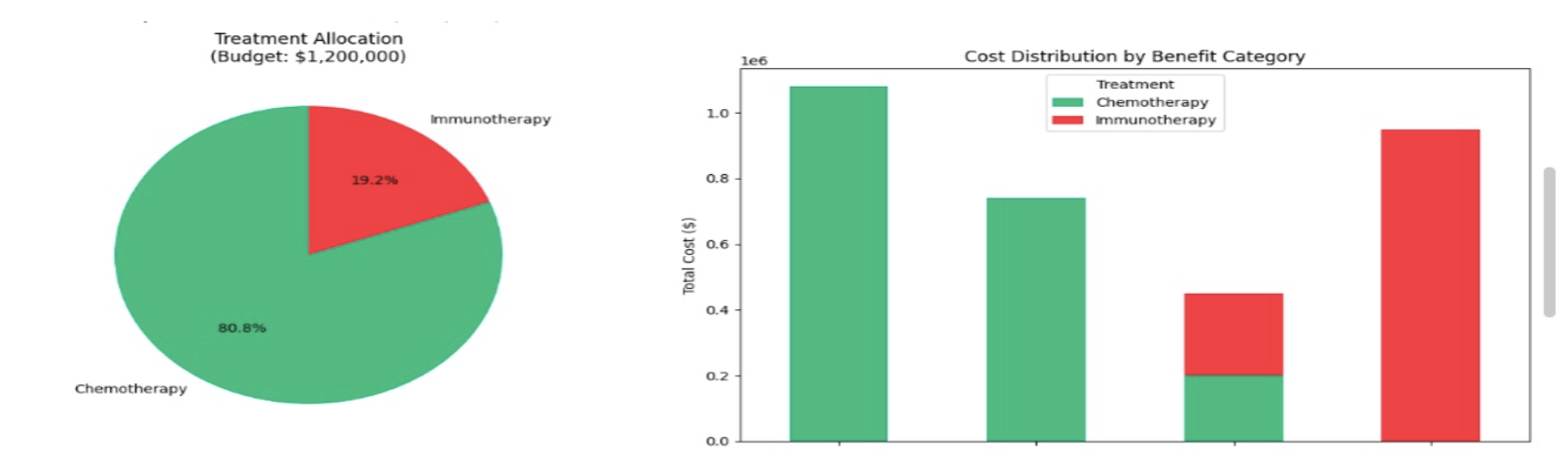
Synthetic Data & Budget Optimization

  •  Realistic Data Generation: Synthetic clinical datasets that preserve real-world statistical properties
  • Economic Modelling Integration: Cost-effectiveness frameworks embedded within causal inference models
  • Realistic Data Generation: Synthetic clinical datasets that preserve real-world statistical properties
  •  Economic Modelling Integration: Cost-effectiveness frameworks embedded within causal inference models

Hybrid causal AI architecture

Explainable Deep Learning Architecture

  •  Inherently Interpretable Models: Attention-based neural networks with built-in interpretability
  •  Layer-wise Relevance Propagation: Backpropagation-based feature attribution
  •  Integrated Gradients: Path-based attribution methods for deep networks
  •  Concept Activation Vectors: High-level concept interpretation in neural networks
  •  Prototype-based Networks: Case-based reasoning in deep learning frameworks
  •  Uncertainty Quantification: Bayesian deep learning for confidence estimation

Validation & Robustness

  •  Cross-validation for Causal Models: Specialized validation techniques for causal inference
  •  Sensitivity Analysis Protocols: Testing robustness to unmeasured confounding
  •  Benchmark Datasets: Standardized evaluation frameworks
  •  Reproducibility Standards: Open-source implementation and documentation

Hybrid causal AI architecture